
Last Updated: October 26, 2026
Quick Summary
The five gentle skincare steps for hormonal breakouts are: cleanse with a gentle cleanser, treat blemishes without over-drying, hydrate and moisturize without clogging pores, protect with daily sunscreen, and stay consistent morning and evening. Keep the routine stable and introduce actives slowly.
- Massage one to two pumps of a fragrance-free, sulfate-free, pH-balanced cleanser onto damp skin and rinse.
- Patch test new actives for two or three nights before using them on the whole face.
- Start actives with two or three evenings a week and build to daily use over four to six weeks.
- Apply a small amount of lightweight Glow Cream to clean skin morning and evening.
- See a dermatologist when breakouts are deep, painful, or leaving scars.
Table of Contents
- Why Hormonal Breakouts Need a Gentler Approach
- Step 1: Cleanse With a Gentle Cleanser
- Step 2: Treat Blemishes Without Over-Drying
- Step 3: Hydrate and Moisturize Without Clogging Pores
- Step 4: Protect With Daily Sunscreen
- Step 5: Stay Consistent Morning and Evening
- Building a Gentle Skincare Routine for Acne-Prone Skin
- How to Reduce Hormonal Breakouts Without Irritating Skin
- Frequently Asked Questions
Why Hormonal Breakouts Need a Gentler Approach
Hormonal breakouts are inflamed blemishes triggered by shifting hormone levels. Calm, consistent care can keep a routine simple.
The temptation with a breakout is to attack it. Strong scrubs, high-strength acids, drying toners.
Hormonal acne also behaves differently from the occasional clogged pore. Spots tend to cluster along the jawline, chin, and lower cheeks, and they often flare on a predictable rhythm tied to the menstrual cycle.
These five gentle skincare routine steps for hormonal breakouts focus on comfort. Below, we walk through each step and what to use.
Step 1: Cleanse With a Gentle Cleanser
Start with a gentle cleanser morning and night. The goal is to remove oil, sweat, and daily buildup.
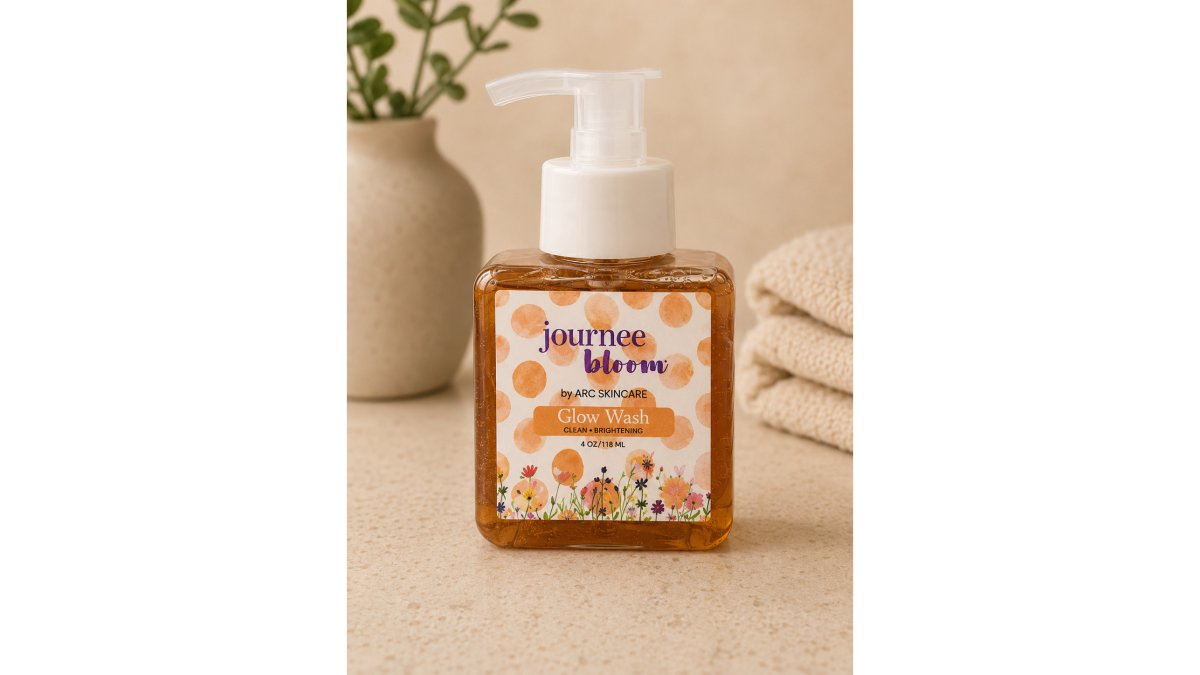
For young skin, we recommend our Glow Wash, a fragrance-free, sulfate-free, pH-balanced cleanser for dry, sensitive, normal, combination, and oily skin. Massage one to two pumps onto damp skin and rinse.
Step 2: Treat Blemishes Without Over-Drying
Treat individual blemishes with targeted care. A hydrocolloid patch is one option for an individual spot.

Our star-shaped Acne Patches cover individual spots and help keep fingers away from blemishes. They contain centella asiatica and tea tree leaf oil and can be worn during the day or overnight. For a serum step, our Glow Serum is a lightweight hydrating serum designed for tweens and teens.

How to introduce active ingredients gradually
Any active ingredient, including salicylic acid, benzoyl peroxide, and adapalene, can irritate skin if you start too fast. A common pattern that works for sensitive skin:
- Patch test first. Apply a small amount to the inner forearm or along the jaw for two or three nights and watch for redness, stinging, or peeling before using it on the whole face.
- Start low and slow. Begin with two or three evenings a week, then add one night per week only after two weeks of comfortable skin. Most practitioners suggest building to daily use over four to six weeks, not days.
- Use a pea-sized amount. More product does not mean faster results; it usually means more irritation.
- Do not layer multiple actives at once. Combining salicylic acid with benzoyl peroxide, or either with a retinoid, on the same night raises the risk of redness and barrier damage. Alternate nights instead.
- Buffer if needed. Applying moisturizer before the active (the "moisturizer sandwich") can reduce stinging on dry or sensitive skin without canceling the treatment.
Which treatment format fits which blemish
A common mistake is layering several actives at once; that is how sensitive skin ends up red and raw. Pick one targeted treatment, use it consistently at a frequency the skin tolerates, and give it several weeks before judging whether it helps.
Step 3: Hydrate and Moisturize Without Clogging Pores
The product listing describes Glow Cream as a lightweight daily moisturizer for tweens and teens, with morning and evening use.
Our Glow Cream is a lightweight daily moisturizer made with goat milk, honey, and nourishing oils. It absorbs quickly and leaves a soft finish. Apply a small amount to clean skin morning and evening.
Step 4: Protect With Daily Sunscreen
If your teen resists a heavy cream, a lightweight fluid or a sunscreen built into the morning moisturizer works fine. The best sunscreen is the one they will actually wear daily.
Step 5: Stay Consistent Morning and Evening
A simple routine can include cleansing and moisturizing in the morning and evening.
For ideas on keeping a teen on track, see our guide on how to encourage teen skincare consistency.
Building a Gentle Skincare Routine for Acne-Prone Skin
A simple routine can include a gentle cleanser and a lightweight moisturizer.
Here is how the steps map out in practice:
| Step | Product Type | When | Frequency | Watch For |
|---|---|---|---|---|
| Cleanse | Gentle, pH-balanced cleanser | Morning and night | Twice daily | Tightness after washing |
| Treat | Acne patches or low-strength active | Evening | 2-3 times weekly to start | Redness, stinging, peeling |
| Moisturize | Lightweight, non-comedogenic cream | Morning and night | Twice daily | Greasy film, new clogs |
| Protect | Broad-spectrum SPF 30+ | Morning | Daily, reapply outdoors | Skipping on cloudy days |
| Stay consistent | Same short routine | Morning and night | Every day | Frequent product switching |
A minimalist routine can keep skincare simple.
How to Reduce Hormonal Breakouts Without Irritating Skin
Reduce hormonal breakouts by keeping the routine stable, introducing actives slowly, and adjusting for the breakout cycle instead of reacting to every spot. Patience is the active ingredient nobody markets, and a routine that stays gentle through a flare usually calms faster than one that escalates in response to it.
Adjust around the breakout cycle, not against it
Many teens notice flares in the week before their period, when estrogen falls and androgens relatively rise, driving oil production and clogged pores along the jaw and chin. A practical approach is to keep a consistent base routine all month and make only cautious adjustments around that window:
- Keep the base routine unchanged. Cleanser, moisturizer, and sunscreen stay the same every day; do not swap products mid-flare.
- Do not add new actives during a flare. A breakout week is the worst time to introduce a new acid or retinoid, because irritation and purging are hard to tell apart from the breakout itself.
- Lean on spot treatment, not all-over treatment. Use patches or a low-strength spot product on individual blemishes rather than increasing full-face active use.
- Track the pattern. A simple note of when flares appear helps you predict them and resist the urge to overhaul the routine each time.
Set realistic expectations and timelines
Most gentle routines need several weeks of steady use before blemishes visibly calm. A common pattern is:
- Weeks 1 to 2: little visible change; the goal is comfortable skin with no new irritation.
- Weeks 3 to 6: gradual reduction in inflammation and fewer new spots, though some clogged pores may still surface.
- Weeks 6 to 12: clearer trend if the routine is consistent and actives are tolerated.
Results vary by person, and improvement is gradual. That is normal. Anyone promising a fast fix is overselling; the reliable path is a short routine used daily.
Adapt for dry or sensitive skin
If skin feels tight, flaky, or stings after cleansing, the routine is too aggressive for that skin type:
- Cut actives back to once or twice a week and lean on moisturizer and a hydrating serum.
- Switch to a milky or cream cleanser if a foaming one leaves skin tight.
- Apply moisturizer before the active to buffer stinging.
- Avoid scrubs, cleansing brushes, and drying toners entirely during a sensitive stretch.
When skincare is not enough
See a dermatologist when breakouts are deep, painful, or leaving scars, or when a consistent gentle routine has not helped after a few months. Cystic acne in particular often needs professional treatment beyond over-the-counter products. A dermatologist can assess whether prescription care is appropriate, and that conversation is part of good breakout management, not a failure of the routine.
Frequently Asked Questions
What is a gentle skincare routine for acne-prone skin?
A simple skincare routine can include cleansing and moisturizing. Journee Bloom's Glow Wash is a fragrance-free cleanser designed for tweens and teens, and Glow Cream is a lightweight daily moisturizer.
How can you reduce hormonal breakouts?
Journee Bloom's Glow Wash is a gentle cleanser for tweens and teens, and its Acne Patches offer targeted care for individual blemishes. The product listing says the patches help keep fingers away from blemishes.
Can azelaic acid be used to treat hormonal acne?
Azelaic acid is sometimes recommended for acne-prone skin, but it can cause tingling or dryness when first introduced. For tweens and teens, it is best to ask a dermatologist before adding it to a routine. A gentle skincare approach that focuses on cleansing, moisturizing, and sun protection is a safer starting point for young skin.
When should a teen see a dermatologist for acne?
Consider a dermatologist visit if breakouts are deep, painful, or leaving scars, or if a gentle skincare routine has not helped after a few months. A dermatologist can assess whether prescription treatment is needed and help rule out other causes. For teens with cystic acne or breakouts that affect confidence, early professional guidance can make a real difference.
Hormonal breakouts ask for patience more than power, and building that habit early pays off for years. Journee Bloom makes it simpler: esthetician mom formulated products designed for tweens and teens, a gentle botanical approach, and a routine short enough that kids actually keep up with it. Start with our Glow Wash, Glow Cream, and Acne Patches, and give young skin the calm, consistent care it needs. Get started with Journee Bloom and build a gentle routine your teen will stick with.
