
Table of Contents
- Why 13-Year-Olds Get Acne: Understanding the Causes
- Safe Over-the-Counter Acne Treatments for Young Skin
- Building a Teen Skincare Routine for Puberty Acne
- When to See a Doctor for Teen Acne
- Prescription Options: What Dermatologists Recommend
- Common Acne Myths vs. Facts for Teens
- How to Support Your Teen's Skin Confidence
- Frequently Asked Questions
Last Updated: September 24, 2026
Why 13-Year-Olds Get Acne: Understanding the Causes
Acne at 13 is biology, not a character flaw. During puberty, hormonal shifts trigger sebaceous glands to produce excess sebum, which mixes with dead skin cells and bacteria, clogging pores and causing inflammation. Understanding this helps parents and teens approach acne as a manageable condition, not a personal failure.
Most teens experience breakouts during adolescence. The good news: safe acne treatments for 13 year old skin exist and work when chosen thoughtfully.
Hormonal fluctuations drive most teen acne. Sebaceous glands respond to increased androgen levels by ramping up oil production, typically peaking in the mid-teen years. Timing varies widely, some 13-year-olds experience mild breakouts; others face more significant acne requiring targeted intervention.
Bacteria, particularly Cutibacterium acnes, thrives in oil-rich environments. Clogged follicles allow bacteria to multiply, triggering inflammation that causes redness, swelling, and discomfort.
External factors amplify hormonal acne: friction from tight clothing, sweat buildup, frequent face-touching, and inconsistent cleansing. Stress can worsen acne through hormonal pathways, explaining flare-ups during exams or social anxiety.
Safe Over-the-Counter Acne Treatments for Young Skin
Over-the-counter treatments address root causes, excess sebum, follicle blockage, and bacterial growth, without compromising the skin barrier.
Benzoyl peroxide and salicylic acid are proven OTC gold standards. Hydrocolloid patches offer a gentler alternative for spot treatment.

Benzoyl Peroxide: What Parents Should Know
Benzoyl peroxide kills bacteria and prevents breakouts by releasing oxygen into pores, creating an inhospitable environment for Cutibacterium acnes.
Start with 2.5% concentration. Lower concentrations are equally effective with less irritation and dryness, and teens are more likely to use them consistently.
Apply benzoyl peroxide to clean, dry skin and let it dry fully before dressing to avoid fabric bleaching. Initial dryness typically resolves within 1-2 weeks; if irritation persists, reduce frequency or lower concentration.
Pair benzoyl peroxide with a lightweight, non-comedogenic moisturizer to support the developing skin barrier and prevent over-drying.
Salicylic Acid: A Gentle Exfoliating Option
Salicylic acid penetrates pore linings, dissolving sebum and dead skin cells that clog follicles, making it effective for preventing comedones and blackheads.
Use 0.5% to 2% concentrations, starting at the lower end for sensitive skin. Salicylic acid is gentler than benzoyl peroxide and causes less dryness.
Apply once daily initially, increasing to twice daily if tolerated. Most teens see improvement within 4-6 weeks of consistent use.
Salicylic acid can increase sun sensitivity slightly, so daily SPF becomes non-negotiable. A lightweight, teen-friendly sunscreen applied every morning protects developing skin and prevents post-inflammatory hyperpigmentation from acne scars.
Hydrocolloid Patches for Spot Treatment
Hydrocolloid patches create a moist healing environment, absorb fluid, and protect blemishes from picking and bacteria, ideal for teens preferring hands-off care.
The Journee Bloom Acne Patches feature centella asiatica and tea tree leaf oil to support skin comfort while absorbing fluid.
Apply to clean, dry skin over whiteheads or surface blemishes. Leave on until the patch turns white, then replace. Patches work day or night and under makeup.
Patches encourage hands-off care, reducing picking, secondary infection, and scarring risk, a significant behavioral benefit for many teens.
Building a Teen Skincare Routine for Puberty Acne
A simple, consistent routine is key. Teens stick with skincare they understand and enjoy. The three essential steps: cleanse, treat, and protect.
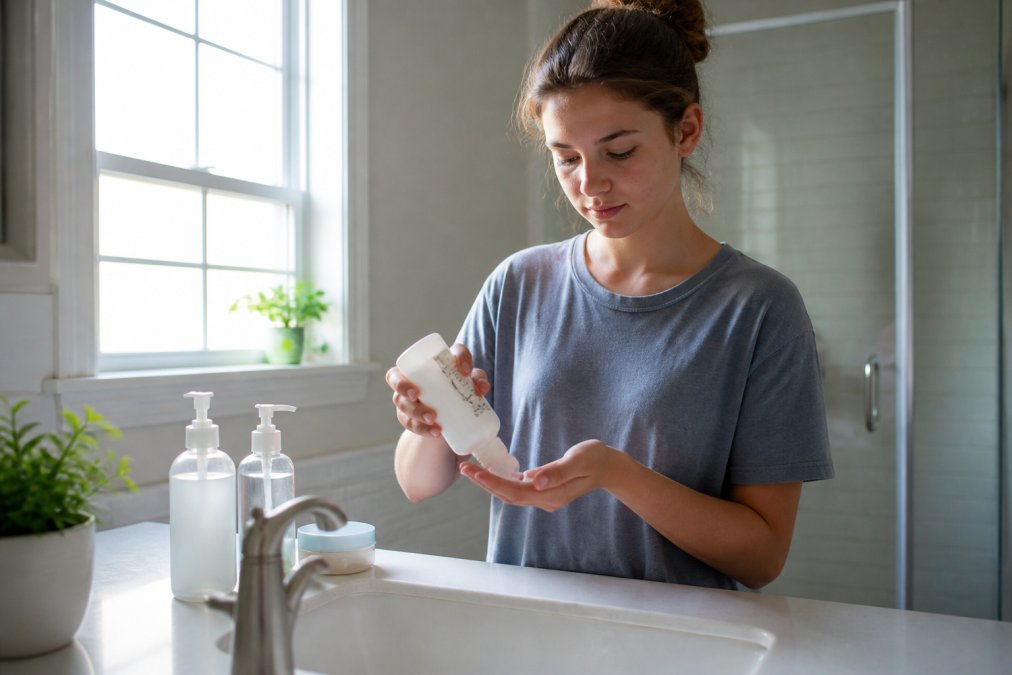
Step 1: Cleanse with a Gentle Acne Face Wash for Teens
Cleansing removes oil, sweat, dirt, and bacteria. However, harsh cleansing strips the skin barrier, triggering more oil production. Gentleness is more effective than aggression.
A gentle acne face wash for teens removes impurities without over-drying. The Journee Bloom Glow Wash cleanses effectively while maintaining hydration.

Use lukewarm water and massage gently for 30-60 seconds, focusing on the T-zone. Pat dry with a clean towel; never scrub aggressively.
Cleanse twice daily, morning and evening. Consistency matters more than intensity.
Step 2: Apply Targeted Treatments
After cleansing, apply benzoyl peroxide, salicylic acid, or acne patches to clean, dry skin to maximize absorption and minimize irritation.
Start with one treatment and use it consistently for 4-6 weeks before evaluating results. Switching products weekly prevents you from ever knowing what actually works. Teens often want quick fixes, but acne treatment requires patience and data.
If using multiple treatments, apply them strategically. Benzoyl peroxide and salicylic acid can be used together, but introduce them separately first to assess tolerance. Some dermatologists recommend alternating: salicylic acid in the morning, benzoyl peroxide at night. Others suggest using both morning and night at different concentrations.
Acne patches can be layered over other treatments or used as standalone spot treatment. They're particularly useful for whiteheads that have come to a head. Apply the patch after other treatments have dried completely.
Step 3: Moisturize and Protect the Skin Barrier
Moisturizing is non-negotiable in acne routines. The skin barrier, the outermost layer of skin cells bound by lipids, is still developing in 13-year-olds. Acne treatments can compromise this barrier, leading to irritation, sensitivity, and paradoxically, more acne.
The Journee Bloom Glow Cream is a lightweight daily moisturizer designed for young, acne-prone skin. It contains goat milk, honey, and nourishing oils that hydrate without clogging pores. Apply a small amount to damp skin after treatment products have dried. Damp skin absorbs moisture better than completely dry skin.
Sunscreen is the final step in a complete routine.
When to See a Doctor for Teen Acne
Not all acne requires professional intervention. Mild to moderate acne, scattered breakouts, occasional whiteheads, some redness, typically responds well to OTC treatments and good skincare habits. However, certain situations warrant a dermatology consultation.
Prescription Options: What Dermatologists Recommend
When OTC treatments aren't sufficient, dermatologists have several prescription options. These are stronger interventions reserved for moderate to severe acne or cases where OTC approaches have failed.
Common Acne Myths vs. Facts for Teens
Misinformation about acne is rampant, and teens often internalize harmful beliefs that worsen their experience. Addressing myths directly helps teens make better decisions and feel less shame about their skin.
How to Support Your Teen's Skin Confidence
The psychological impact of acne on teens is often underestimated. Visible breakouts can trigger anxiety, social withdrawal, and negative self-image during a developmentally sensitive period. Parents play a crucial role in normalizing acne and supporting their teen's confidence.
Frequently Asked Questions
Why is my 13-year-old getting pimples?
Hormonal changes during puberty increase sebum production, which can clog pores and create an environment where bacteria thrive. This hormonal fluctuation is completely normal and typically peaks during the teenage years. Most teens experience some form of acne as their skin adjusts to these changes. Understanding that breakouts are a natural part of development, not a sign of poor hygiene or something to be ashamed of, helps teens approach skincare with confidence rather than frustration.
What are the safest over-the-counter ingredients for teen acne?
Benzoyl peroxide and salicylic acid are the most researched and safest OTC options for teen acne. Benzoyl peroxide works by reducing bacterial growth, while salicylic acid helps prevent follicle blockage by promoting skin turnover. Both are effective at low concentrations (2.5% benzoyl peroxide and 0.5-2% salicylic acid). Hydrocolloid patches offer targeted spot treatment without systemic absorption. For sensitive skin, start with lower concentrations and patch test first. Always follow with a non-comedogenic moisturizer to support the skin barrier.
When should a 13-year-old see a dermatologist for acne?
Schedule a dermatological consultation if OTC treatments haven't improved acne after 6-8 weeks of consistent use, if breakouts are severe or painful, if acne is affecting your teen's emotional well-being, or if they're experiencing significant inflammation and redness. A dermatologist can rule out underlying hormonal issues and recommend prescription options like topical retinoids or oral medications if needed. Early intervention prevents scarring and helps teens build confidence in their skin health.
How can I help my teen stick with a skincare routine?
Keep routines simple: cleanse, treat, and moisturize. Complexity is the biggest barrier to consistency. Make it part of their daily habit by pairing skincare with an existing routine (after brushing teeth, before bed). Let them choose products they enjoy using, texture, scent, and packaging matter to teens. Avoid framing skincare as fixing something 'wrong' with their skin; instead, position it as self-care and building healthy habits. Celebrate consistency, not perfection, and remind them that clear skin takes time.
Is my daughter's sensitive skin going to react badly to acne treatments?
Sensitive skin requires a gentler approach, but effective acne care is still possible. Start with lower concentrations of active ingredients and introduce one product at a time, waiting 1-2 weeks between additions. Patch test new products on a small area first. Choose a gentle, hydrating cleanser that doesn't strip the skin barrier, and always follow treatments with a nourishing moisturizer. Ingredients like centella asiatica and tea tree leaf oil offer gentler blemish support. If irritation occurs, stop the new product and return to basics until skin stabilizes.
Can a 13-year-old take Accutane?
Accutane (isotretinoin) is reserved for severe, treatment-resistant acne and is rarely prescribed to young teens due to strict regulatory requirements and potential side effects. The FDA requires enrollment in the iPLEDGE program, monthly lab work, and strict pregnancy prevention measures for females of childbearing age. Most dermatologists try multiple other options first, including topical retinoids and oral antibiotics. If your teen's acne is severe enough that a dermatologist mentions Accutane, they'll discuss all risks and benefits thoroughly before proceeding.
How do I know if a product is right for my teen's skin type?
Identify your teen's skin type first: oily (shiny throughout the day), dry (tight or flaky), combination (oily T-zone, dry elsewhere), or sensitive (reactive to most products). Oily skin benefits from lightweight, non-comedogenic cleansers and treatments with salicylic acid. Dry or sensitive skin needs hydrating cleansers and barrier-supportive moisturizers. Look for products labeled 'non-comedogenic' and 'hypoallergenic' to minimize pore-clogging and irritation. Start with one new product every 1-2 weeks to identify what works without overwhelming the skin.