
Table of Contents
- Understanding Puberty Acne and Breakouts
- Building a Teen Skincare Routine for Puberty Acne
- Key Ingredients to Look For in Teen Skincare
- Skincare Mistakes to Avoid During Puberty
- How Long Does It Take for Acne Products to Work
- When to See a Dermatologist
- Conclusion
- Frequently Asked Questions
Last Updated: September 26, 2026
Understanding Puberty Acne and Breakouts
Puberty triggers hormonal shifts that increase sebum production, leading to clogged pores and acne-prone skin. This is why gentle skincare for puberty breakouts has become essential for teens. Teen skin requires a different approach than adult skincare, one that's effective without being harsh or overwhelming.
Breakouts during the teen years can affect confidence and self-image at a vulnerable time. Building a consistent routine early helps teens develop healthy habits that extend beyond treating breakouts.
Hormonal acne during puberty typically appears on the forehead, nose, chin, and upper back, areas where sebum production peaks. Understanding this pattern helps you choose the right products and target problem areas more effectively.
Building a Teen Skincare Routine for Puberty Acne
A simple three-step routine forms the foundation of effective gentle skincare for puberty breakouts. Consistency over complexity matters, teens are more likely to stick with a manageable routine.
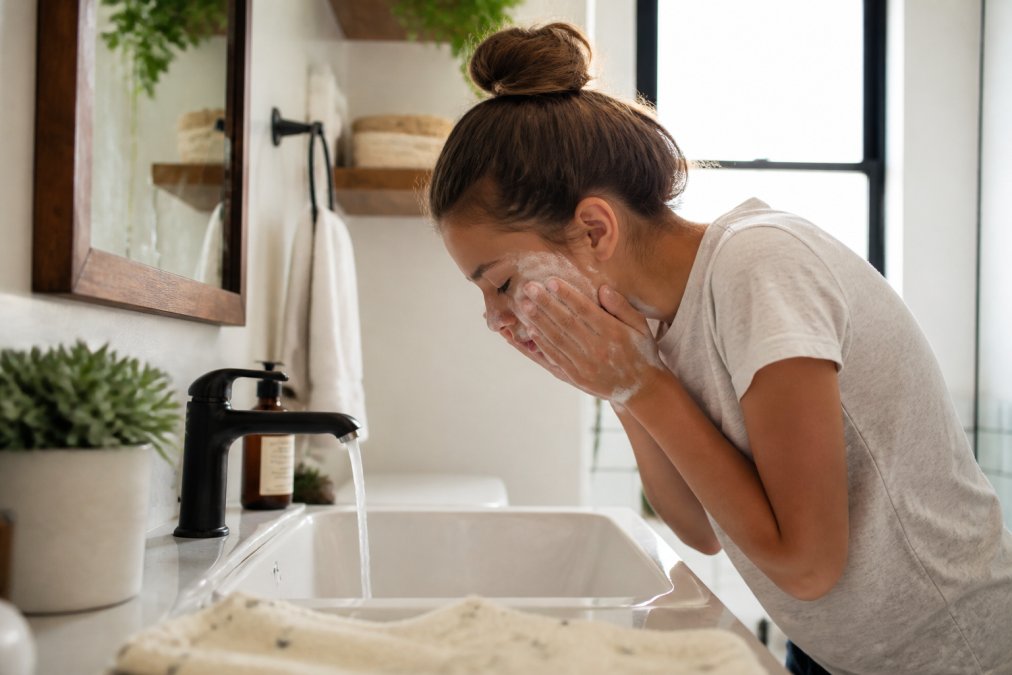
Step 1: Cleanse with a Gentle Formula
Start with a gentle cleanser designed for young skin that removes dirt and oil without stripping the skin barrier. Look for a lightweight, fragrance-free formula.

The American Academy of Dermatology guidance on teen skincare emphasizes that over-cleansing or using harsh scrubs can worsen acne. Massage your cleanser onto damp skin using gentle circular motions for about 30 seconds, then rinse thoroughly with lukewarm water.
Journee Bloom's Glow Wash is formulated specifically for this stage. It removes excess oil and daily buildup while maintaining skin hydration, and it works for every skin type, including skin that is just beginning to show signs of increased sebum production.
Step 2: Moisturize Without Clogging Pores
Moisturizing is essential, even for oily or acne-prone skin. Dehydrated skin produces more oil to compensate. Choose a lightweight, non-comedogenic moisturizer that absorbs quickly.
Look for moisturizers with hyaluronic acid or ceramides, which hydrate without clogging pores and support your skin barrier during hormonal fluctuations.
Apply moisturizer to clean, slightly damp skin to lock in hydration. A little goes a long way with lightweight formulas designed for younger skin.
Step 3: Target Spots with Acne Patches
Acne patches create a physical barrier that keeps dirt and bacteria away while healing the spot. They're especially helpful for teens who tend to pick at their skin, a habit that worsens breakouts and increases scarring risk.
Journee Bloom's Acne Patches are formulated with centella asiatica and tea tree leaf oil, both botanical ingredients commonly used for blemish-prone skin. The fun star shape makes breakout care feel less frustrating and more approachable for teens. Apply the patch to completely dry skin after cleansing, and leave it on until it turns white before replacing it.
:::pro-tip Apply acne patches to completely dry skin right after cleansing. Moisture on the skin prevents the patch from adhering properly and reduces effectiveness.
Key Ingredients to Look For in Teen Skincare
Understanding key ingredients helps you spot effective formulas at any price point. Several have strong track records for supporting acne-prone skin without causing irritation.
Niacinamide regulates sebum production and reduces inflammation by strengthening the skin barrier. It's ideal for oily and combination skin. You'll find it in drugstore cleansers ($8-$15) and luxury serums ($40+), concentration and formulation quality matter more than price.
Centella asiatica (cica or tiger grass) calms irritated skin and accelerates healing by stimulating collagen production. It's gentle enough for sensitive skin but effective for breakout recovery. Budget ($10-$20) and premium ($35-$60) versions contain similar concentrations; price differences reflect texture and additional hydrating ingredients.
Tea tree leaf oil reduces acne-causing bacteria on the skin surface. It can be drying at high concentrations, so look for formulas where it's listed after the fifth ingredient or combined with hydrating agents. A $12 spot treatment works similarly to a $45 version if both use 2-5% concentration.
Hyaluronic acid hydrates without heaviness by drawing moisture into the skin's outer layers. It's found in everything from $6 drugstore moisturizers to $80 serums. The key difference is molecular weight, low-molecular-weight penetrates deeper, while high-molecular-weight sits on the surface.
Ceramides strengthen the skin barrier by filling gaps between skin cells. A healthy barrier prevents bacteria and irritants from penetrating deeper. Budget formulas ($10-$20) use lower concentrations than luxury versions ($40+), but even modest amounts provide measurable benefit.
Salicylic acid and benzoyl peroxide are prescription-strength actives that work differently: salicylic acid exfoliates inside pores, while benzoyl peroxide kills acne bacteria. Avoid high concentrations when starting, they can over-dry young skin. Start with gentler alternatives and only move to stronger actives under professional guidance. If you use these, 0.5-1% concentration is usually sufficient for teen skin.
:::pro-tip When comparing products at different price points, check the ingredient list order. Ingredients are listed by concentration, highest to lowest. If niacinamide or hyaluronic acid appears in the first five ingredients in both a $12 and a $50 product, they're likely delivering similar results. The price difference usually reflects packaging, brand positioning, or additional non-active ingredients.
Skincare Mistakes to Avoid During Puberty
Several common habits worsen teen acne, and many go beyond just product choices. Understanding both skincare and lifestyle mistakes helps you address breakouts from multiple angles.
Product-Related Mistakes:
Over-cleansing is the biggest skincare error. Washing more than twice daily strips natural oils and damages the skin barrier. Stick to morning and evening cleansing. If you exercise, rinse with water alone.
Using products that are too strong is another frequent error. Adult-strength acne treatments designed for severe cases are often overkill for teen skin. Start with gentle, targeted products and adjust only if needed.
Touching, picking, or squeezing blemishes dramatically worsens breakouts and increases scarring risk. This is why acne patches work so well, they create a physical barrier that makes picking harder and keeps your hands off the spot.

Skipping moisturizer leads to dehydration, which triggers more oil production and perpetuates the breakout cycle. Every skin type needs hydration, including oily and acne-prone skin.
Using fragrant or heavily scented products irritates sensitive teen skin. Look for fragrance-free formulas that won't trigger additional inflammation.
Changing products too frequently prevents you from seeing real results. Most skincare takes 4-6 weeks to show meaningful improvement. Give your routine time to work before switching.
Lifestyle and Environmental Mistakes:
Dirty pillowcases and phone screens transfer bacteria to your face. Change your pillowcase every 2-3 days and wipe your phone screen daily with a microfiber cloth.
Diet and hydration play a larger role than many teens realize. While chocolate doesn't directly cause acne, high-glycemic foods (white bread, sugary drinks, processed snacks) spike blood sugar and insulin levels, which can trigger increased sebum production and inflammation. Staying hydrated supports your skin barrier and helps flush toxins. Aim for 8-10 glasses of water daily, especially if you're active or live in a dry climate.
Sleep deprivation increases cortisol (stress hormone), which triggers sebum overproduction and inflammation. Teens need 8-10 hours of sleep nightly for optimal skin health (Sleep in Middle and High School Students | Healthy Schools). Poor sleep also impairs your skin's natural repair processes, which happen primarily during deep sleep stages.
Touching your face throughout the day transfers bacteria from your hands to your skin. Your hands touch doorknobs, desks, phones, and countless other surfaces. Make a conscious effort to avoid touching your face, especially your chin, forehead, and cheeks where breakouts cluster.
Tight hats, headbands, or sports equipment that rubs against your skin creates friction and traps sweat and bacteria, a perfect environment for breakouts.
How Long Does It Take for Acne Products to Work
Patience is essential when treating acne. Most acne products require 4-6 weeks of consistent use before you see noticeable improvement. Your skin cell cycle takes about 28 days, so meaningful changes happen gradually.
When to See a Dermatologist
While most teen acne responds well to a consistent gentle routine, some situations require professional help.
Conclusion
Building a gentle skincare routine during puberty sets the foundation for healthy skin habits that last a lifetime. The challenge isn't finding strong enough products, it's finding ones that work without causing irritation or damaging your skin barrier.
Frequently Asked Questions
What ingredients are best for gentle skincare for puberty breakouts?
Look for non-comedogenic, fragrance-free formulas with ingredients like centella asiatica, tea tree leaf oil, niacinamide, hyaluronic acid, and ceramides. These support skin hydration and comfort without clogging pores. Avoid harsh chemicals, heavy oils, and products with strong fragrances that can irritate acne-prone skin during hormonal changes.
How long does it take for acne products to work on teen skin?
Most gentle acne products take 4-6 weeks of consistent daily use to show visible improvement. Skin cell turnover takes time, and hormonal acne especially requires patience. Consistency matters more than switching products frequently. If you haven't seen improvement after 8 weeks, consider consulting a dermatologist.
Can a simple teen skincare routine for puberty acne actually handle real breakouts?
Yes. A gentle routine with a pH-balanced cleanser, lightweight moisturizer, and targeted acne patches addresses the core needs of acne-prone teen skin. The key is consistency and non-irritating formulas that support your skin barrier while managing breakouts. Harsh products often make acne worse by causing inflammation and sensitivity.
How often should a teenager wash their face to prevent breakouts?
Twice daily, morning and evening, is ideal for most teens. Over-washing strips the skin barrier and triggers more sebum production, worsening breakouts. Use lukewarm water and a gentle cleanser. If skin feels tight or dry after cleansing, you're likely washing too aggressively or using a formula that's too harsh.
| Product | Price | Best For | Key Ingredients |
|---|---|---|---|
| Glow Wash | $28 | Daily cleansing | Gentle botanical blend |
| Glow Cream | $26 | Daily hydration | Goat milk, honey, ceramides |
| Acne Patches | $12 | Spot treatment | Centella asiatica, tea tree oil |
| Starter Glow Kit | $98 | Complete routine | All three products + extras |