
Last Updated: October 22, 2026
Quick Summary
Acne treatment side effects commonly include mild redness, dryness, and peeling in the first 2-4 weeks as your skin adjusts to the active ingredients. Most irritation is temporary and manageable with dose adjustments and proper moisturizing, though severe reactions like hives or spreading rash require medical attention.
- Benzoyl peroxide at 2.5% causes less irritation than higher concentrations while working just as well for most people.
- Retinoids cause a 4-8 week adjustment period called retinization where skin gets worse before improving; start at 0.025% strength 2-3 times weekly.
- Acne purging peaks in weeks 2-3 and improves by week 6, while a bad reaction spreads to new areas and worsens after 8 weeks.
- Use SPF 30+ daily when on any acne treatment, as retinoids increase sun sensitivity and UV damage risk.
- Apply moisturizer first, then acne treatment on top, to reduce irritation without reducing effectiveness.
Table of Contents
- What to Expect: Common Acne Treatment Side Effects for Beginners
- Understanding Benzoyl Peroxide Side Effects
- Retinoid Side Effects for Acne and How to Manage Them
- Acne Purging vs Breakout: How to Tell the Difference
- Reducing Irritation Without Abandoning Your Treatment
- When to See a Dermatologist for Acne Treatment Side Effects
- Building a Gentle Routine That Works
- Frequently Asked Questions
What to Expect: Common Acne Treatment Side Effects for Beginners
Starting acne treatment can feel overwhelming, especially when you're not sure what to expect. Understanding acne treatment side effects helps you stick with what works and know when to reach out for help. The truth is, some irritation during treatment is normal, but knowing the difference between manageable side effects and something that needs medical attention makes all the difference.
Most beginners don't realize that mild redness, dryness, and peeling often mean the treatment is working. Your skin is adjusting. This guide walks you through what happens with common acne treatments, how long irritation typically lasts, and practical ways to reduce discomfort without giving up on clear skin.
Understanding Benzoyl Peroxide Side Effects
Benzoyl peroxide is one of the most effective over-the-counter acne fighters, but it comes with a learning curve. It works by killing acne-causing bacteria and helping clear blocked pores, and that same action can irritate skin that isn't used to it. The most common side effect is dryness and mild irritation, especially in the first 2-4 weeks.
Here's what typically happens, week by week:
- Days 1-7: Mild stinging or tightness after application, slight redness in the treated areas
- Weeks 2-3: Dryness and peeling peak; flaking around the nose and mouth is common
- Weeks 4-6: Skin begins to adjust; irritation eases if you've kept the dose steady
- Week 6+: Most beginners tolerate regular use with only occasional dryness
Concentration matters more than most beginners realize. A 2.5% benzoyl peroxide product causes less irritation than 5% or 10%, and for most people it works just as well. Higher percentages mainly add irritation, not results. Apply it every other night for the first week, then gradually increase frequency as your skin adapts.
Leave-on gel vs. wash: A benzoyl peroxide cleanser is rinsed off after 1-2 minutes and tends to be gentler, making it a good starting point for sensitive skin. A leave-on gel stays on the skin and can be more effective but also more drying. Beginners often do best starting with a wash and moving to a leave-on product once tolerance is established.
Two things many people miss: benzoyl peroxide can bleach fabric, hair, and towels, so apply it at night and let it dry completely before touching pillows or clothes. And because it can be drying, avoid layering it with other harsh actives like alcohol-based toners or scrubs during the adjustment period.
If you develop hives, facial swelling, or widespread rash rather than localized dryness, stop use and seek medical advice, that pattern suggests an allergy rather than ordinary irritation.
Retinoid Side Effects for Acne and How to Manage Them
Retinoids are powerful for acne, but they cause what's called the "retinization period", a 4-8 week adjustment phase where your skin gets worse before it gets better. Understanding this helps you not panic and abandon treatment too early.
Expected retinoid side effects include:
- Redness and warmth in the first 1-2 weeks
- Dryness and flaking that peaks around week 3-4
- Increased sensitivity to sun (this is important)
- Mild breakouts or purging as dead skin sheds faster
- Temporary tightness or stinging when applying
Start with the lowest strength (0.025% retinol or adapalene) and use it just 2-3 times per week initially. Many beginners jump to nightly use too fast and end up with severe irritation that makes them quit.
The retinization period is temporary. By week 8, most people see clearer skin and less irritation. The trick is being patient and not increasing strength or frequency too quickly.
Acne Purging vs Breakout: How to Tell the Difference
This is the question that stops most people from continuing treatment: "Is my skin getting better or worse?"
Acne purging happens when a treatment speeds up skin cell turnover. Dead skin and trapped oil come to the surface faster, creating temporary breakouts. Purging is actually a sign the treatment is working, it's not a reason to stop.
A real breakout from treatment means your skin is reacting poorly to the product itself, not adjusting to it.
Here's how to tell them apart:
| Sign | Purging | Bad Reaction |
|---|---|---|
| Where it appears | Same spots as usual acne | New areas, spreading pattern |
| Type of bump | Small whiteheads, blackheads | Large, painful cysts or rash |
| Timeline | Peaks week 2-3, improves by week 6 | Gets worse or stays the same |
| Texture | Slightly dry, normal feel | Itchy, burning, or very inflamed |
| How it feels | Mild irritation | Painful or uncomfortable |
Purging usually lasts 2-6 weeks. If breakouts are still getting worse after 8 weeks, or if you develop a rash or severe burning, that's a sign to stop and see a dermatologist.
Reducing Irritation Without Abandoning Your Treatment
The biggest mistake beginners make is trying to "push through" severe irritation instead of adjusting their approach. You don't have to choose between clear skin and comfortable skin.
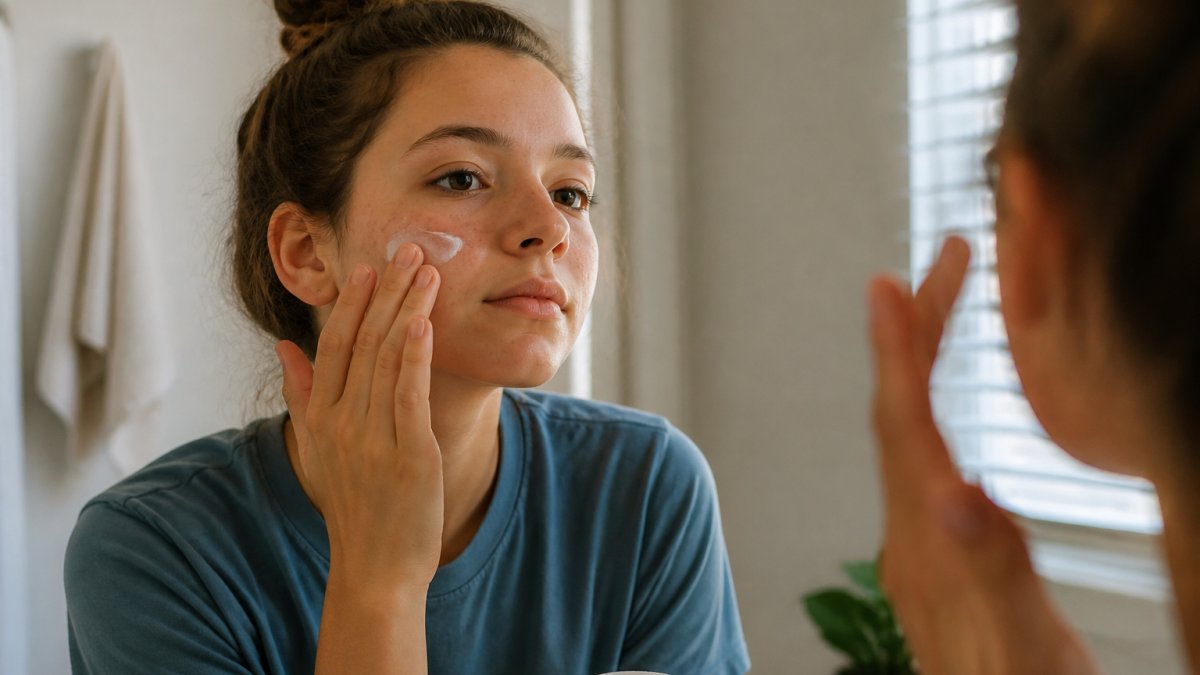
Smart adjustments that work:
- Lower the dose first. Use less product or apply less frequently before switching products entirely. A pea-sized amount of retinoid or benzoyl peroxide is usually enough.
- Add a buffer. Apply moisturizer first, then your acne treatment on top. This reduces irritation without reducing effectiveness.
- Use a gentle cleanser. Harsh cleansing strips your skin barrier, making irritation worse. The American Academy of Dermatology recommends gentle, fragrance-free cleansers for acne-prone skin.
- Moisturize twice daily. Your skin barrier needs support while it adjusts. Look for lightweight, non-comedogenic moisturizers.
- Skip other actives temporarily. Don't combine retinoids with vitamin C, acids, or other strong treatments while you're adjusting. One active at a time.
The Glow Wash and Glow Cream are designed to support skin. A gentle cleanser and lightweight moisturizer are non-negotiable when you're starting acne treatment.


When to See a Dermatologist for Acne Treatment Side Effects
Most acne treatment side effects are manageable with the adjustments above. But some situations need professional care, and knowing which is which saves you worry, and, in rare cases, protects your health. Use this three-tier guide to decide how quickly to act.
Tier 1, Routine, manage at home: Mild redness, dryness, flaking, or a temporary purge in the first 4-8 weeks. Adjust frequency, buffer with moisturizer, and keep going.
Tier 2, Call your dermatologist within a few days:
- Irritation that doesn't improve after two weeks of lowering the dose
- Persistent dryness that cracks or bleeds despite moisturizing
- Breakouts that are still worsening after 8 weeks of consistent use
- New itching, burning, or stinging that wasn't there before
Tier 3, Stop treatment and seek prompt care:
- Severe rash, hives, or swelling of the face, lips, or throat (possible allergic reaction)
- Burning or pain that worsens rather than eases
- Signs of infection: pus, warmth, or spreading redness
- Blistering or peeling skin beyond ordinary flaking
Oral acne medications deserve their own warning list. Unlike topicals, prescription oral treatments carry systemic risks. Isotretinoin, for example, is linked to birth defects and requires pregnancy testing and registration in a monitored program; it also requires periodic blood work to check liver enzymes and lipids.
According to the FDA's guidance on acne medications, some oral acne treatments require blood work monitoring. If you're on prescription medication, don't skip those labs.
For over-the-counter treatments like benzoyl peroxide or retinol, most side effects are mild and temporary. But if irritation is severe enough to affect your daily life, it's worth a professional opinion.
Building a Gentle Routine That Works
The foundation of managing side effects is a simple, consistent routine. Complicated skincare makes it impossible to know what's causing irritation, and it increases the chance of overusing active ingredients.
Here's what works:
- Cleanser (morning and night) - Use a gentle, fragrance-free wash
- Moisturizer (morning and night) - Apply while skin is still slightly damp
- Acne treatment (start 2-3 times per week, increase as tolerated) - Benzoyl peroxide or retinoid
- Sunscreen (morning only) - SPF 30+ if using any active treatment
That's it. This simple routine works for most beginners and makes it easy to adjust one thing at a time.
Many parents ask us how to help their teen stick with skincare when side effects feel uncomfortable. The answer is: make it feel manageable and rewarding, not like a chore. When you start with lower doses and see gradual improvement instead of painful irritation, teens are more likely to continue.
The Starter Glow Kit includes everything needed for this foundation routine, plus access to step-by-step video tutorials. Starting with a complete, coordinated set removes the guesswork and makes consistency easier.

Understanding acne treatment side effects is the first step toward clear skin without frustration. Most irritation is temporary and manageable with small adjustments. At Journee Bloom, we're here to help you build a routine that works, one that's gentle enough for sensitive skin. Shop now and start your journey to confident, healthy skin.
Frequently Asked Questions
What are the most common acne treatment side effects for beginners?
Beginners often experience dryness, redness, peeling, and mild irritation when starting acne treatment. Topical treatments like benzoyl peroxide and retinoids commonly cause these local reactions, especially in the first 2-4 weeks. These effects typically improve as your skin adjusts. Starting with a lower strength or using the product less frequently can help your skin build tolerance while you continue treatment.
How long do acne treatment side effects usually last?
Most side effects from topical acne treatments peak within the first 2-3 weeks and gradually improve over 4-8 weeks as your skin adapts. Dryness and peeling often settle down first, followed by redness. If irritation worsens after 8 weeks or doesn't improve, speak with a dermatologist. Using a good moisturizer and sun protection can speed up the adjustment period.
What's the difference between acne purging and a breakout when starting treatment?
Acne purging is a temporary increase in breakouts that happens when treatment brings clogged pores to the surface faster than usual. Purging typically occurs in areas where you usually break out, appears as smaller blemishes, and improves within 4-6 weeks. A true breakout from irritation usually causes redness, itching, or rash in new areas and doesn't follow your typical acne pattern. If you're unsure, a dermatologist can confirm which is happening.
When should I stop using acne treatment and contact a doctor?
Stop treatment and contact a doctor if you experience severe burning or stinging that doesn't ease after a few minutes, spreading rash or hives, difficulty breathing, swelling of the face or lips, or side effects that worsen after 8 weeks of consistent use. Also seek help if you develop signs of infection like pus, warmth, or increasing pain. These symptoms may indicate an allergic reaction or that the treatment isn't right for your skin.
