
Table of Contents
- Why Social Media Beauty Pressure Affects Tweens Differently
- Sign 1: Constant Appearance-Based Comparison With Peers and Influencers
- Sign 2: Obsession With Filters, Photo Editing, and Altered Selfies
- Sign 3: Visible Signs of Low Self-Esteem in Tweens
- Sign 4: Anxiety, Low Mood, and Fear of Missing Out Tied to Appearance
- Sign 5: Avoiding Social Situations or Posting Due to Appearance Concerns
- How to Talk to Tweens About Social Media and Beauty Standards
- Helping Tweens Build Body Confidence Without Perfection Pressure
- Frequently Asked Questions
Last Updated: October 20, 2026
Why Social Media Beauty Pressure Affects Tweens Differently
Social media is central to how tweens navigate their world, and unlike previous generations they grow up with constant access to curated images, filtered selfies, and appearance-focused content. The 5 signs of social media beauty pressure in tweens often go unnoticed until they escalate into serious body image and self-esteem concerns.
At Journee Bloom, we understand tweens face unique appearance pressures that differ from earlier childhood self-consciousness. Their brains are developing rapidly, peer relationships matter intensely, and social platforms are designed to encourage image sharing and comparison, a perfect storm for appearance-related anxiety and body dissatisfaction.
The challenge isn't that tweens care about how they look, which is developmentally normal. The problem is that social media amplifies appearance concerns until healthy self-awareness becomes unhealthy preoccupation. Recognizing early warning signs lets parents and caregivers intervene before patterns become entrenched.
Below, we'll walk you through five observable signs that a tween's relationship with social media and beauty standards may be shifting into concerning territory, plus practical steps for how to respond.
Sign 1: Constant Appearance-Based Comparison With Peers and Influencers
The first sign is a tween becoming preoccupied with how their appearance compares to others online, beyond normal school peer awareness. You'll notice them frequently mentioning that they don't look like their friends, influencers, or people they follow.
Appearance-based comparison happens because social media curates highlight reels. Tweens constantly see filtered selfies and edited images, comparing their unfiltered everyday self to content refined for maximum appeal. This unfair comparison feeds body dissatisfaction.
Watch for statements like "My nose is too big compared to..." or "I wish my skin looked like hers" or "Everyone else has better hair." If these comparisons are frequent and specific to people online, it signals that social media is shaping how your tween views their own appearance.
Sign 2: Obsession With Filters, Photo Editing, and Altered Selfies
The second sign is when a tween becomes reluctant to post or share photos without filters or heavy editing. They may spend long stretches editing a single image, refuse to take photos without certain filters, or express anxiety about their appearance in unfiltered photos.
This behavior reflects a gap between how they see themselves and how they believe they should look. Filters aren't inherently harmful, but when a tween can't share an image without digital alteration, their comfort with their actual appearance is declining and the pressure to look camera-ready has become constant.
You might notice them taking dozens of photos to find the "right" one or becoming upset if a photo doesn't match their imagination. Some tweens avoid situations where photos will be taken without filters, limiting their participation in activities and social events.
The underlying issue is that filters create unrealistic beauty standards. When tweens see themselves only through filtered versions, their baseline for "normal" appearance shifts and unfiltered reality feels inadequate by comparison.
Sign 3: Visible Signs of Low Self-Esteem in Tweens
The third sign is a noticeable drop in overall self-confidence, particularly around their appearance and body. This might show up as negative self-talk ("I'm so ugly," "Nobody likes how I look," "I hate my body"), withdrawal from activities they used to enjoy, or reluctance to be seen or photographed.
Signs of low self-esteem in tweens tied to social media often emerge gradually. A tween previously comfortable in their skin may become disproportionately self-conscious, wearing oversized clothing to hide their body, avoiding mirrors, or making frequent critical comments about their appearance.
This shift frequently correlates with increased social media use, particularly on appearance-focused platforms. The more time tweens spend viewing such content, the more negative their internal body narrative becomes, often surfacing in how they talk about themselves when they think no one is listening.
Parents sometimes miss this sign because tweens may not directly state they feel bad about themselves. Instead, watch for them avoiding social situations, declining invitations, or saying they "don't look good enough" to participate.
Sign 4: Anxiety, Low Mood, and Fear of Missing Out Tied to Appearance
The fourth sign is when a tween expresses anxiety or low mood specifically connected to how they look or how they appear online. This might include worry about likes, comments, or what others think of their photos. Fear of missing out (FOMO) becomes entangled with appearance concerns, they're anxious about not posting, not looking good enough to post, or what will happen if they miss social moments.
This sign matters because it shows social media beauty pressure is affecting emotional well-being. A tween might say "I can't post that photo because I look terrible" or "Everyone will judge me if they see how I look," check their phone constantly for likes, and have moods that fluctuate with online feedback.
Anxiety tied to appearance can also show up physically: difficulty sleeping, stomach issues, or headaches on days they're worried about posting or being seen. The stress is real, even though the threat is social rather than physical.
Low mood often emerges after extended scrolling. You might notice a tween seeming withdrawn or sad after phone use, then perking up once distracted by something else.
Sign 5: Avoiding Social Situations or Posting Due to Appearance Concerns
The fifth sign is behavioral avoidance: declining invitations, avoiding situations where photos might be taken, or refusing to post because they're unhappy with how they look. This is among the most concerning signs because it limits social participation and reinforces negative self-perception.
Avoidance might look like:
- Declining birthday parties or group outings
- Refusing to participate in sports or activities they previously enjoyed
- Not responding to group chats or social plans
- Asking to skip school events or gatherings
- Withdrawing from friendships
When appearance concerns drive behavioral choices, the impact extends beyond social media. A tween's social life and sense of belonging suffer, and isolation can intensify loneliness and low mood.
This sign represents a shift from internal worry to external limitation: the tween isn't just thinking negative thoughts but making life choices based on them. Early intervention can prevent longer-term social withdrawal and mental health concerns.
How to Talk to Tweens About Social Media and Beauty Standards
Once you've identified signs of social media beauty pressure, the conversation matters enormously. How you respond shapes whether your tween feels supported or judged, heard or dismissed.
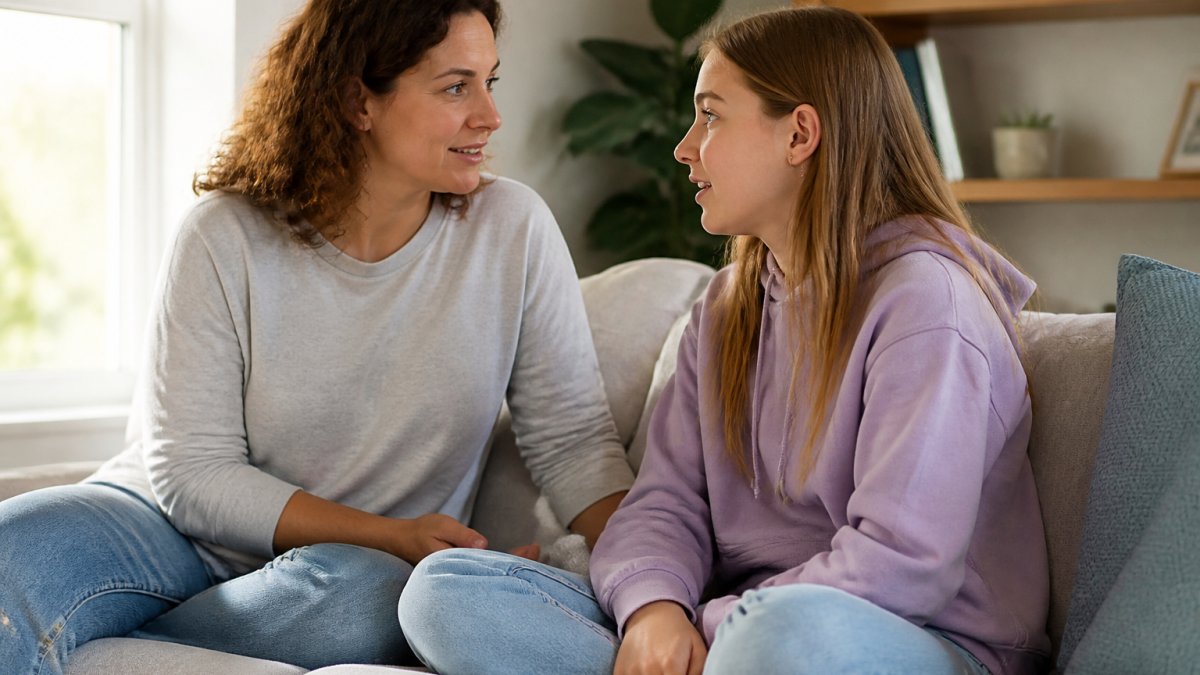
Start by creating a judgment-free space. Avoid criticizing social media, influencers, or your tween's friends. Acknowledge that appearance matters to them, because it does, and that social media makes realistic perspective harder to maintain.
Use specific observations rather than generalizations. Instead of "You're always on your phone," try "I noticed you seemed upset after looking at Instagram yesterday. What was that about?" This opens a conversation rather than triggering defensiveness.
Listen more than you talk. Ask questions like "What do you think about when you see that account?" or "How do you feel about yourself after scrolling?" Let your tween articulate their own experience.
Normalize the experience. Share that you also compare yourself to others or have struggled with appearance concerns. This reduces shame and helps tweens see these feelings aren't unique to them or evidence something is wrong with them.
Introduce media literacy gently. Explain that filters, editing, and curation are normal but the images aren't real. You might say, "That photo has a filter on it, which is why the skin looks so smooth.
Set boundaries together rather than imposing them.
Redirect toward values. Help your tween identify what matters to them beyond appearance, their humor, kindness, skills, interests, or intelligence. When they're struggling with appearance concerns, reminding them of their non-appearance strengths can provide perspective.
Helping Tweens Build Body Confidence Without Perfection Pressure
The ultimate goal isn't to eliminate appearance concerns, that's developmentally unrealistic. Instead, the goal is to help tweens develop body confidence and resilience so that appearance concerns don't dominate their thinking or limit their choices.
Body confidence grows when tweens experience their bodies as functional and capable, not just objects to be viewed. Encourage activities emphasizing what their body can do rather than how it looks: sports, dance, hiking, martial arts, or any physical activity they enjoy.
Limit appearance-focused commentary, even positive comments. Research shows that praising a tween's appearance ("You look so pretty") can actually reinforce appearance-focused thinking.
Model healthy behavior around your own appearance. If tweens hear you constantly criticizing your body or expressing anxiety about aging, they internalize that as normal.
Curate social media exposure thoughtfully. This doesn't mean banning social media, but being intentional about which accounts your tween follows.
Journee Bloom's approach to tween skincare reflects this philosophy. Our Starter Glow Kit ($98.00) is designed to help tweens build healthy skincare habits without the pressure of perfection.

For tweens dealing with occasional breakouts, our Acne Patches ($12.00) offer a practical, hands-off approach to blemish care.

Building body confidence also means addressing the specific pressures of social media directly. Help your tween understand that:
- Filters aren't reflections of reality; they're artistic choices
- Edited photos have been altered in ways their phone camera cannot replicate
- Influencers are curating their lives for engagement, not showing their actual day-to-day existence
- Likes and comments are not measures of personal worth
- Taking a break from social media is a sign of strength, not social failure
When tweens understand these realities intellectually, they're better equipped to interpret what they see emotionally. They can enjoy social media without internalizing its unrealistic standards.
Finally, normalize talking about these pressures. The more openly you discuss social media, beauty standards, and appearance concerns at home, the less shame surrounds them.
Social media beauty pressure on tweens is real, but it's also manageable with early recognition and thoughtful response.
Frequently Asked Questions
What are the main signs that social media is affecting my tween's self-esteem?
Watch for constant comparing their appearance to peers and influencers, obsession with filters and photo editing, visible anxiety about how they look, withdrawal from social activities, and mood changes tied to likes or comments. These signs suggest social media beauty pressure is affecting their confidence. If you notice multiple signs together, it's worth opening a conversation about their online experience and considering whether they need a break from appearance-focused content.
How can I talk to my tween about unrealistic beauty standards online?
Start by asking open questions about what they see online rather than lecturing. Point out specific examples of filtered or edited images together, and explain how photo editing works. Use phrases like, 'That's a filter, it's not what that person actually looks like' or 'Professional photos are edited before they're posted.' Share your own experience with comparison. Keep the tone curious and non-judgmental. Frame the conversation around media literacy, not about criticizing their appearance or the people they follow.
What's the difference between normal tween self-consciousness and concerning body image issues?
Normal tween self-consciousness is temporary and doesn't stop them from participating in activities they enjoy. Concerning signs include persistent avoidance of photos, refusing to go to social events, frequent negative self-talk about their body, changes in eating or exercise habits driven by appearance anxiety, or mood changes that interfere with school or friendships. If your tween's appearance concerns are affecting their daily life, relationships, or mental health, it's time to talk with a counselor or therapist.
How can a simple skincare routine help tweens feel more confident?
A simple, age-appropriate skincare routine gives tweens a healthy way to care for their skin without feeding perfectionism. When they see their skin improve with consistent care, it builds genuine confidence, not based on filters or comparison, but on real results. Products like the Starter Glow Kit help tweens develop self-care habits that feel fun and manageable. The private video tutorials included show exactly how to use each product, removing guesswork and making skincare feel like self-care rather than a chore or pressure to look perfect.